Problem: Solar Shingles Cost Two to Three Times More Than Panels
Sticker shock is the first wall most Ridgeville homeowners hit. A typical 7 kW solar panel system runs roughly $18,000 to $25,000 installed before incentives. The same wattage in solar shingles, like the Tesla Solar Roof or GAF Energy Timberline Solar, often lands between $45,000 and $70,000. You are not just buying power generation. You are buying a full roof replacement bundled with the solar tech.
Solution: Match the Product to Your Roof Timeline
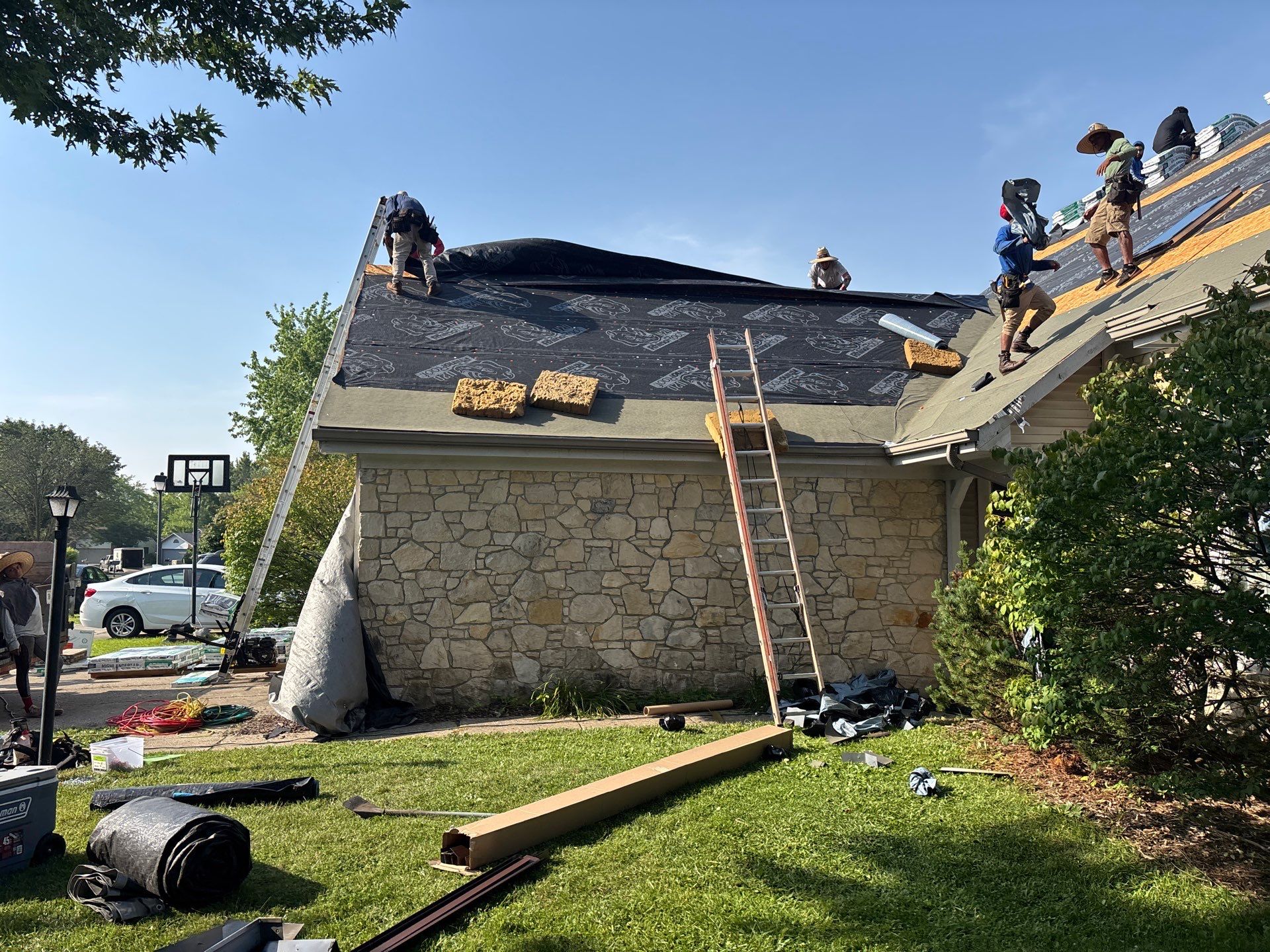
The math gets less painful when you stop comparing the two as equals. If your shingles are 15-plus years old and showing the signs your roof needs replacement, solar shingles can absorb part of the cost you were already going to spend. If your roof is five years old and healthy, panels are the smarter buy. You are not throwing away good roofing to chase aesthetics.
- Roof under 7 years old: choose panels.
- Roof 8 to 15 years old: get an honest condition assessment before deciding.
- Roof 15-plus years old: solar shingles become a real contender.
The federal tax credit (currently 30 percent) applies to both products, but with solar shingles, only the portion tied to energy generation qualifies, not the entire roof replacement. Ridgeville Roofing has seen homeowners assume the credit covers the full $60,000 invoice and get a nasty surprise at tax time. Ask your installer for a written breakdown of which costs are credit eligible before you sign anything.
Problem: Resale Value Claims Are Often Overstated
Sales pitches lean hard on the idea that solar adds dollar for dollar value at resale. The reality in Ridgeville is messier. Appraisers in markets without strong solar comps often discount the system heavily, especially if it is leased rather than owned. Solar shingles tend to resonate better with buyers because they read as a premium roof, but only if the warranty transfers cleanly. Get the transfer terms in writing, and keep all production data and permits in a single folder you can hand to the next owner.
Problem: Most Installers Are Not Roofers
Solar contractors are electricians first. Roofers are roofers. When the two trades do not coordinate, you get leaks, voided warranties, and finger pointing. We have torn off systems where the installer drove lag bolts straight through valleys, missed the rafters entirely, or sealed over active shingle defects that were already leaking.
Solution: Normalize to Cost Per Watt and All-In Scope
The fix is to force every quote onto the same footing before deciding. Convert each to a cost per watt, which is the cleanest way to compare system pricing across different sizes and products. Then confirm each bid includes the same all in scope: the panels or shingles, the inverter, any roof work or reinforcement, the permitting, the interconnection, and the warranties. Quotes that look wildly different often converge once they are normalized, and the ones that stay expensive usually reveal why in the scope. On a Ridgeville solar decision, this single step turns a confusing pile of proposals into an honest comparison, and it exposes the bids that were cheap only because they left something out.
Problem: Ridgeville Weather Punishes Both Systems Differently
Ridgeville sees hail, ice dams, 70 mph straight line winds, and serious summer heat. Rack mounted panels create wind uplift points and can void shingle warranties if installed wrong. Solar shingles avoid the racking issue but introduce hundreds of small electrical connections directly into your roof deck, where any leak becomes both a water problem and an electrical one.
Problem: Aesthetics Drive Decisions That Should Be Driven by Production
Solar shingles look great. Panels look like panels. Plenty of Ridgeville homeowners pay the premium for shingles purely because they hate the look of bolted on hardware, then end up disappointed with production numbers. Solar shingles generally produce 10 to 20 percent less power per square foot than premium panels because the cells sit flat and cannot be tilted toward the sun.
Solution: Read the Fine Print Before You Sign
Ask three specific questions before any contract. First, who is responsible if the roof leaks where the solar product meets the roof? Second, what happens to the warranty if the manufacturer is acquired or shuts down? Third, how does the installer handle removal and reinstall if the roof needs roof repair underneath? With panels, removal and reinstall typically runs $1,500 to $3,500. With shingles, the entire system has to come off as one unit.
Problem: Warranty Coverage Gets Confusing Fast
With panels, you typically juggle three warranties: panel performance (25 years), inverter (10 to 12 years), and workmanship (varies wildly). Your shingle warranty is separate and may be reduced if the panel installer drilled into the deck improperly. Solar shingles consolidate this into one warranty, which sounds simpler, but if the manufacturer goes out of business, you have no fallback. The solar shingle market is still young, and a few players have already exited.
Solution: Build Storm Resistance Into the Plan
For panel systems, insist on flashed mounts (not sealant only) and ask whether the installer coordinates with a roofer. We get calls every spring from homeowners with leaks around panel feet. For solar shingles, ask about hail ratings. Some products carry Class 3 or Class 4 impact ratings, similar to Class 4 impact resistant shingles, which can also lower your insurance premium. Either way, document everything before storm season so storm damage claims do not turn into finger pointing between your roofer and your solar company.
Ice dams deserve special attention in Ridgeville. When heat escapes through poorly insulated attics, snow melts, refreezes at the eaves, and forces water back under the roofing material. Panels can actually reduce ice dam severity by shading parts of the roof and keeping snow loads more even. Solar shingles, because they integrate directly into the roof field, need flawless underlayment and ice and water shield extending at least three feet up from the eave. Cutting corners here turns a $60,000 system into a yearly leak headache.
Problem: You Are Comparing Quotes That Are Not Actually Comparable
Solar quotes are notoriously hard to line up against each other. One Ridgeville bid lists a system size, another a monthly payment, a third a total price with different equipment, financing, and scope baked in, and homeowners end up comparing numbers that do not measure the same thing.
Solution: Run the Production Math First, Then Decide on Looks
Get a production estimate from two installers, one for each product. Compare kilowatt hours per year, not just system size. A 9 kW shingle system may produce less annual energy than a 7 kW panel system, depending on roof orientation. If your home faces straight south with a 6/12 pitch, panels will almost always win on output. If your roof has multiple planes and complicated geometry, solar shingles can sometimes catch up by covering more total surface.
- Get written annual production estimates in kWh.
- Compare cost per kWh produced over 25 years.
- Then factor in curb appeal and resale value.
Solution: Use a Roofer-Led Process
Have your roof evaluated before any solar quote. Our free inspections tell you whether your deck, ventilation, and flashing can support solar at all. If they cannot, fix that first. Ridgeville Roofing would rather lose a solar referral than watch a homeowner pay twice for the same roof.